
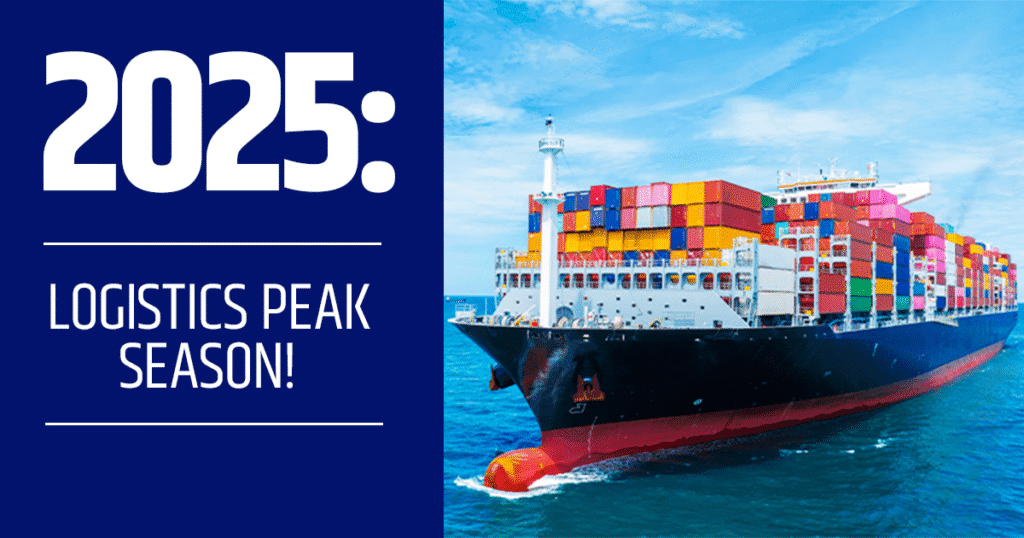
As the global supply chain braces for another chaotic peak season, businesses must prepare for unprecedented challenges. The convergence of geopolitical tensions, climate disruptions, labor shortages, and AI-driven demand fluctuations is set to make Q4 2025 one of the most volatile periods in logistics history.
This article explores:
✔ Key challenges shaping the 2025 peak season
✔ Actionable strategies to mitigate delays and costs
✔ Emerging trends reshaping logistics for the future
1. Why 2025 Peak Season Will Be More Disruptive Than Ever
A. Geopolitical Flashpoints Escalate Shipping Delays
Red Sea & Mediterranean Blockades: Houthi attacks have expanded beyond the Red Sea, forcing ships to take longer routes around Africa—adding 2-3 weeks to Asia-Europe shipments.
U.S.-China Trade Wars: New tariffs on EVs and semiconductors are causing last-minute rerouting, clogging alternative ports like Vietnam and Mexico.
Russia-Ukraine War Impact: Grain and oil shipments remain unstable, driving up bulk freight costs.
B. Climate Chaos Worsens Supply Chain Snarls
Panama Canal Drought: Restrictions now allow only 10-12 ships per day (down from 36 pre-2023), pushing more traffic to congested Suez and Cape routes.
Extreme Weather Events: Forecasters predict stronger hurricanes (Category 6 possible) and flooding in key logistics hubs like Houston, Shanghai, and Rotterdam.
C. Labor Strikes & Automation Backlash
Port Worker Protests: Dockworkers in Germany, Brazil, and the U.S. West Coast are threatening strikes over AI job displacement.
Trucker Shortages: The U.S. and EU face a shortfall of 500,000+ drivers, worsening last-mile delays.
D. AI & E-Commerce Demand Surges
Bullwhip Effect 2.0: Retailers overstocked in 2024 due to faulty AI demand predictions—now, warehouses are overflowing with returns.
Same-Day Delivery Wars: Amazon, Temu, and Shein are outbidding traditional shippers for air cargo space.
2. How Businesses Can Survive (and Thrive) in 2025 Peak Season
A. Book Early & Diversify Routes
Lock in contracts NOW—carriers are already overbooked for Q4.
Avoid Red Sea/Suez: Shift to Cape of Good Hope or trans-Pacific routes.
Use secondary ports: Consider Savannah, Tanger-Med, or Jebel Ali to bypass congestion.
B. Leverage AI & Real-Time Visibility
Predictive Logistics AI: Tools like Flexport’s Orbit or FourKites help reroute shipments dynamically.
Blockchain for Fraud Prevention: Combat deepfake scams with secure digital bills of lading.
C. Stockpile Critical Inventory
Buffer stock for high-demand items (electronics, holiday goods).
Dual sourcing—nearshoring to Mexico, India, or Eastern Europe reduces China dependency.
D. Prepare for Last-Mile Chaos
Alternative carriers: Explore drones, autonomous trucks, or micro-fulfillment centers.
Dynamic pricing: Offer discounts for flexible delivery windows to ease pressure.
3. The Future of Peak Season Logistics (2026 & Beyond)
Green Shipping Corridors: Maersk and CMA CGM’s methanol-powered ships may ease fuel volatility.
Hyperlocal Warehousing: AI-driven micro-hubs in urban centers will cut last-mile delays.
Robot-Powered Ports: Fully automated terminals (like Rotterdam’s Maasvlakte II) could reduce strike risks.
Final Takeaway: Act Now or Pay Later
The 2025 peak season will test supply chain resilience like never before. Companies that pre-book shipments, diversify routes, and invest in AI-driven logistics will gain a competitive edge—while those that wait will face sky-high rates, delays, and stockouts.
Is your business ready? Let’s discuss a customized 2025 logistics strategy for your needs. 🚢📦 𝑪𝒐𝒏𝒕𝒂𝒄𝒕 𝑼𝒔: +𝟐𝟔𝟑 𝟐𝟒𝟐 𝟕𝟒𝟕𝟔𝟔𝟓
#IFS #2025PeakSeasont #Diversify #Africa #Zimababwe #SeaFreight #Suez